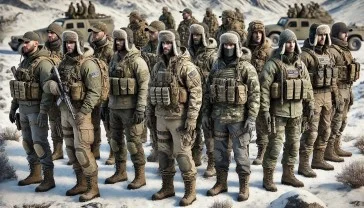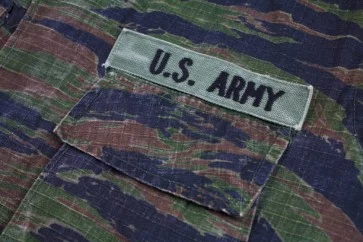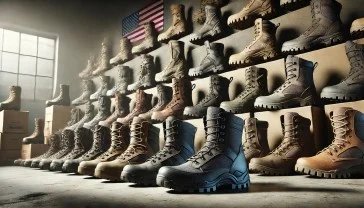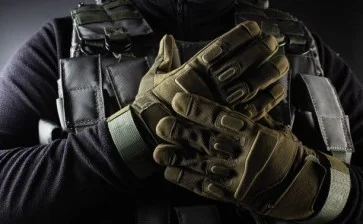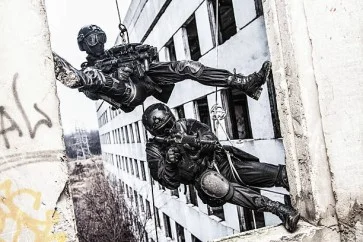
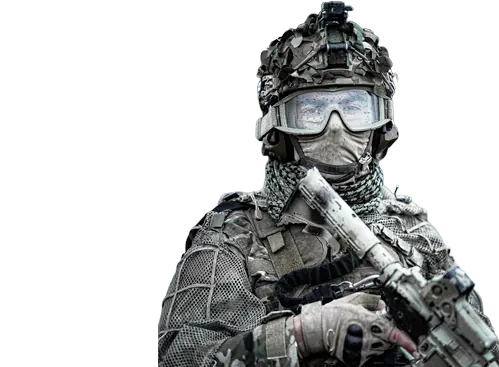
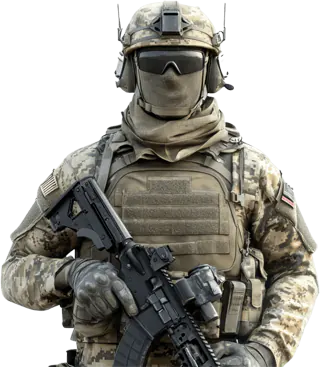
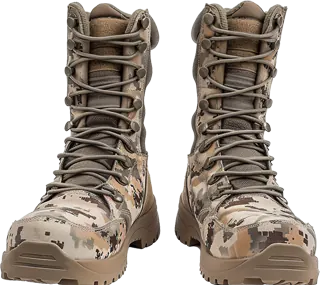
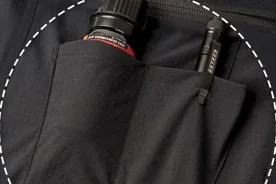
Frontline Series Edge Pants are modern, low-profile tactical trousers designed for flexibility and duty use, featuring 4-way stretch, DWR-coated nylon/elastane fabric. They offer "knee-to-knee" gussets for mobility, specialized cargo storage, and a professional look suitable for on or off-duty, priced around $83.
Departments
- Clothing

Clothing
- Big & Tall Clothing
- Camo Clothing
- ECWCS Layering Systems & Underwear
- Hoodies & Sweats
- Military & Tactical Uniforms
- Pants
- Physical Training P/T Clothing
- Shirts
- Shorts
- Vintage Clothing
- Women's Clothing
Outerwear
Military & Tactical Uniforms
- Military & Tactical Gear
Military & Tactical Gear
- Airsoft & Paintball Gear
- AR 670-1 Compliant Military Gear
- Camo Face Paint
- Camping & Survival Gear
- Concealed Carry Gear
- Flashlights
- Ghillie Suits
- Hydration
- Insect Repellent
- Knives
- MOLLE Gear
- Mosquito Netting
- Multi-Tools
- Optics
- Paracord
- Ropes & Rappelling Gear
- Shooting Supplies
- Solar Gear
- Tactical & Public Safety Gear
- Tactical Gloves
- Headwear
- Military Branches
Military Branches
- Footwear
- Backpacks & Bags
Backpacks & Packs
- Canvas Bags
- Leather Bags
- Medical Bags
- Messenger Bags & Shoulder Bags
- Military & Tactical Pouches
- Military Duffle Bags & Cargo Bags
- Military Gear Bags
- Tactical Hydration Pack Systems
Military Duffle & Cargo Bags
- Accessories